

How Much Damage Can Road Salt Do to a Genesis, and What Prevents It?
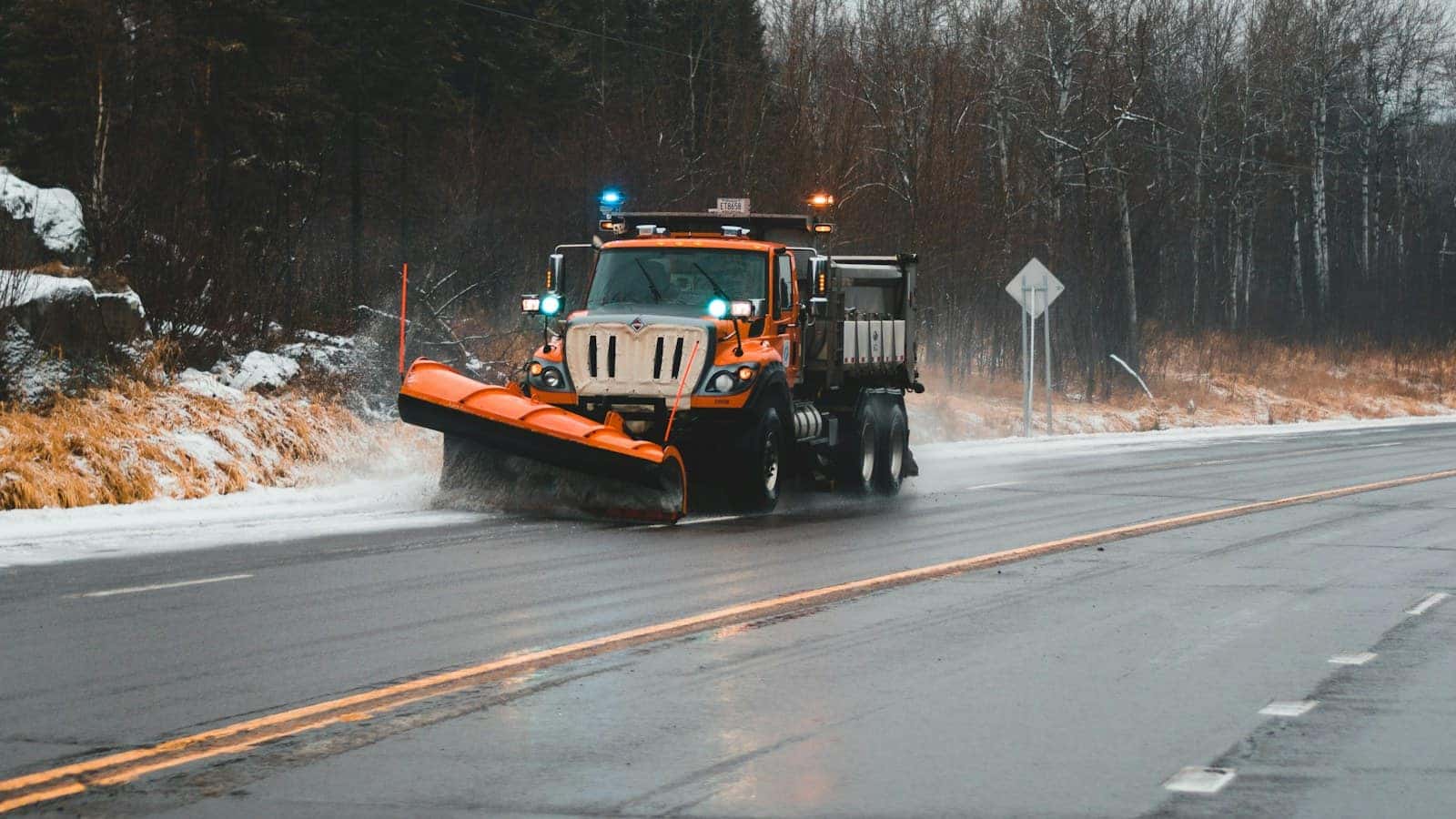
Road salt does its damage slowly and out of sight. It works its way into brake components, wheel finishes, seams and the underside of the vehicle, then sits there whenever temperatures climb back above freezing and the brine turns wet again. The good news is that preventing most of it takes a few habits rather than an expensive product. With salt trucks gearing up for the first cold snaps and holiday travel on I-71 and I-75 a week away, now is the right moment to set those habits for your Genesis.
Why Liquid Brine Is Harder on a Car Than Rock Salt
Many road crews now pre-treat highways and ramps with liquid salt brine before a storm arrives, then follow with rock salt once snow falls. Brine is effective on the road, but it is also hard on vehicles: it sprays up as a fine mist, coats surfaces that rock salt never reaches, and clings after it dries. Corrosion moves fastest when that residue is wet and temperatures are mild, which describes plenty of Cincinnati winter days. So a vehicle can collect more salt in a week of damp, 38-degree driving than in a single snowstorm.
Where Salt Collects on a Genesis
The places that matter most are the ones you rarely see. Wheel wells and the inner sides of the wheels trap slush. Brake calipers, rotors and brake lines sit directly in the spray. The subframe, suspension components and exhaust take a constant coating, and rocker panel seams and the lower edges of doors hold residue long after the outside looks clean. Door jambs and the area around the liftgate or trunk seal collect it too. Knowing where to look makes both washing and inspection far more effective.
Wash the Underside, Not Just the Paint
The single most effective habit is rinsing the underbody. After driving on salted roads, aim for a wash within a few days, and choose a touchless wash with an underbody spray or rinse the wheel wells and lower panels yourself. A wash on a day above freezing lets everything dry properly instead of refreezing in door seals and locks. Once salt season is in full swing, a weekly rinse is a reasonable target, and an extra one after any long highway drive through a storm is well worth the time.
Protect Wheels and Paint Before the Season Starts
A fresh coat of wax or a paint sealant applied before the salt arrives gives brine less to grip and makes each wash more effective. Wheels deserve the same attention, since salt and brake dust together can etch alloy finishes when left for weeks. A wheel-safe sealant makes cleaning easier through spring. If your Genesis has a matte paint finish, follow the matte-specific care instructions in your owner’s manual and ask our team before using waxes or automated brushes.
Keep Salt Out of the Cabin
Salt follows your boots inside. It dries into white rings on carpet and can stiffen floor-mat fibers over a long winter. All-weather floor mats that hold slush in a raised edge make cleanup a matter of minutes, and a quick vacuum every week or two keeps residue from working into the carpet. Wiping salt film off the inside of the door sills and the lower edges of the door panels takes seconds and keeps those surfaces looking new.

Let a Technician Look Underneath at Your Next Visit
Brake components take some of the heaviest salt exposure on any vehicle, so it pays to have them checked while the vehicle is already in the air. At your next appointment, ask the technician to look at the brakes, brake lines and undercarriage for early corrosion, especially after a winter with heavy highway driving. If you have not yet worked through the fall checklist in our post on maintenance items to handle before the first freeze, do both in one visit.
A Simple Salt-Season Routine
Put it together and the routine is short: protect the paint and wheels now, rinse the underbody within a few days of salted roads, wash on above-freezing days, keep the cabin mats clean, and have the underside inspected during scheduled service. Newer Genesis owners may find that their next visit falls under Complimentary Scheduled Maintenance, which covers 3 years or 36,000 miles; the Genesis ownership experience explains what is included.
Whether you are heading out for Thanksgiving next week or simply facing a winter of I-275 commuting, the service team at Genesis of North Cincinnati can get your vehicle ready for salt season and take a look at anything that concerns you.
0 comment(s) so far on How Much Damage Can Road Salt Do to a Genesis, and What Prevents It?